Signs Your Commercial Concrete Slab Needs Mudjacking
If you notice cracks, uneven surfaces, or sinking in your commercial concrete slab, local contractors can assess and perform mudjacking to restore stability.
Property owners managing commercial spaces often notice certain issues with their concrete slabs that may indicate a need for mudjacking. Recognizing signs such as uneven surfaces, noticeable cracks, or areas that seem to be sinking can help prevent further damage and maintain safety standards. These common indicators are practical reasons why business owners and property managers in the area might explore options like mudjacking services, which can restore stability and prolong the lifespan of their concrete structures.
Understanding these signs is an important step toward addressing underlying problems before they worsen. Local contractors who specialize in concrete slab mudjacking are equipped to evaluate these issues and provide effective solutions. Continuing to read can offer valuable insights into how this process works and the benefits it offers, empowering property owners to make informed decisions about maintaining their commercial spaces.
- Commercial parking lots - uneven or cracked concrete slabs in parking areas may indicate the need for mudjacking to restore stability and safety, with local contractors assessing and addressing the issues.
- Building entrances and walkways - settling or sinking concrete around entrances can create trip hazards, prompting local service providers to lift and level the slabs effectively.
- Loading docks - uneven concrete at loading zones can disrupt operations and pose safety risks, leading local pros to perform mudjacking to correct the surface.
- Sidewalks and pathways - visible cracks or heaving sections suggest underlying settling, which local contractors can stabilize through mudjacking techniques.
- Foundation slabs - signs of cracking or unevenness in foundation areas may require mudjacking to prevent further structural issues, with local specialists providing solutions.
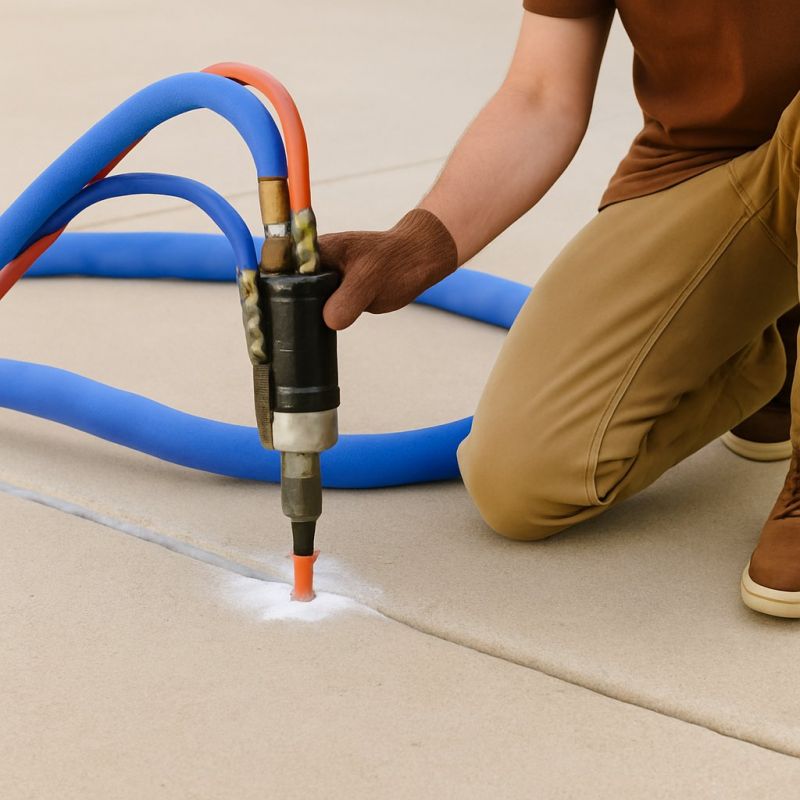
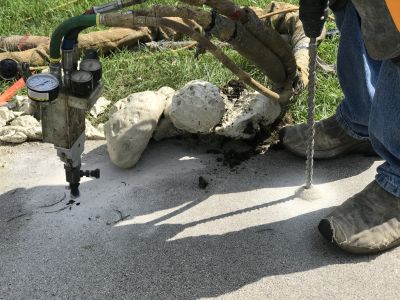
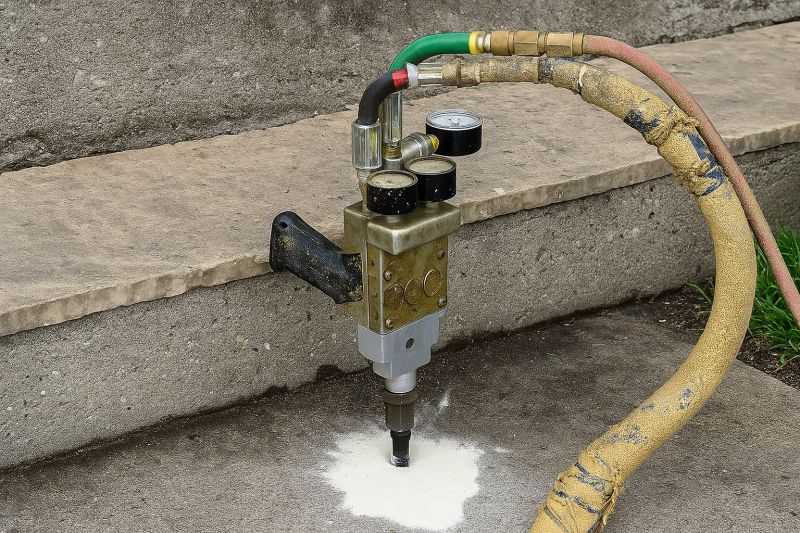
When searching for signs your commercial concrete slab needs mudjacking, property owners are usually trying to identify issues that compromise safety, functionality, or the overall appearance of their facilities. Commercial slabs-such as those used for loading docks, walkways, parking areas, or industrial floors-are subjected to constant use and environmental exposure. Over time, these slabs can develop unevenness, cracks, or sinking spots, which may indicate underlying problems that require attention. Recognizing these signs early can help prevent further damage, reduce repair costs, and maintain a safe environment for employees and visitors alike.
Many of the problems related to uneven or sinking concrete slabs are caused by soil settlement, erosion, or poor initial installation. When a concrete slab begins to settle or shift, it can create tripping hazards, make equipment operation difficult, or cause drainage issues. Property owners often plan repairs or maintenance projects around these issues, seeking solutions that restore stability and surface evenness. Mudjacking is a common approach used by local contractors to lift and level compromised slabs by injecting a specialized mixture beneath the surface. Understanding when a slab shows signs of failure can help property managers and business owners determine if mudjacking is an appropriate fix for their specific situation.
The types of properties that typically experience problems with concrete slabs include commercial buildings, industrial facilities, warehouses, retail centers, and parking lots. These properties often have large, flat concrete surfaces that are critical for daily operations. When these surfaces develop cracks, heaving, or sinking sections, it can hinder access, create safety concerns, or impact the overall appearance of the property. Local service providers who specialize in mudjacking work with a variety of commercial clients to assess the condition of their slabs and recommend appropriate repairs. By addressing issues promptly, property owners can ensure their facilities remain functional and safe for customers, employees, and visitors.
Understanding the signs that a commercial concrete slab needs mudjacking can help property owners plan effective repairs and maintain the integrity of their surfaces. Common indicators include noticeable unevenness or height differences across the slab, visible cracks or fractures, and areas where the surface appears to be sinking or settling. Other signs might include pooling water due to poor drainage or the presence of trip hazards. When these issues are observed, local contractors experienced in mudjacking can evaluate the condition of the slab and determine if lifting and leveling are viable solutions. Properly addressing these signs can extend the lifespan of the concrete and help sustain the safety and usability of commercial properties.
Parking Lot Resurfacing - This project involves assessing and repairing uneven concrete surfaces, requiring similar skills in evaluating slab stability and planning effective lifting solutions.
Sidewalk Repair Services - Fixing cracked or sunken sidewalks often involves techniques like mudjacking to restore level surfaces, making it a related skill set for contractors.
Driveway Leveling - Addressing uneven driveways due to soil settlement or shifting shares planning and expertise comparable to commercial slab mudjacking.
Patio and Walkway Restoration - Restoring outdoor concrete features involves identifying sinking or cracking, with local contractors using comparable methods to lift and stabilize slabs.
Foundation Repair - Stabilizing and lifting compromised concrete foundations requires similar assessment and lifting techniques used in mudjacking for slabs.
Industrial Floor Repair - Repairing and leveling large industrial concrete floors involves specialized planning and tools akin to those used in commercial mudjacking projects.
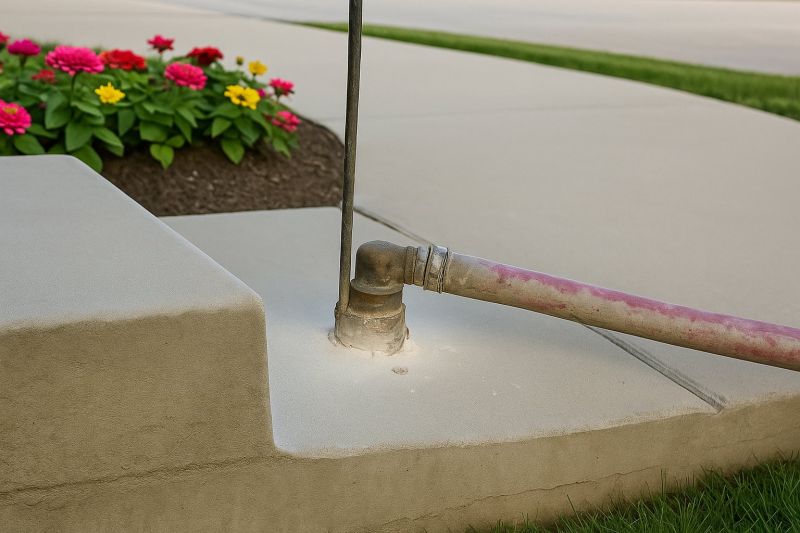
When comparing local contractors for concrete slab mudjacking, it is important to evaluate their experience with similar projects. Homeowners should seek out service providers who have a proven track record of handling commercial concrete slabs in environments comparable to their own. An experienced contractor will understand the common issues that cause a slab to settle or crack and will be familiar with the best methods to restore stability. This familiarity can help ensure that the repair process is efficient and effective, reducing the likelihood of future problems.
Clear written expectations are also a key factor when selecting a contractor for mudjacking services. A reputable service provider should be able to provide detailed information about the scope of work, the materials used, and the steps involved in the repair process. Having this information in writing helps prevent misunderstandings and ensures that homeowners are aware of what to expect throughout the project. It also provides a point of reference should any questions or concerns arise during the work.
Reputable references and good communication are essential when choosing local contractors for concrete slab repairs. Homeowners should inquire about previous projects similar to theirs and seek feedback from past clients to gauge the quality of work and professionalism. Additionally, a contractor who maintains open and transparent communication can help clarify any uncertainties and keep the project on track. Reliable service providers listen carefully to concerns, answer questions clearly, and keep homeowners informed at every stage, contributing to a smoother and more satisfactory experience overall.
Property owners often search for signs your commercial concrete slab needs mudjacking when they are planning practical projects around their homes and businesses. Local pros provide Concrete Slab Mudjacking services for everyday jobs and straightforward project options.
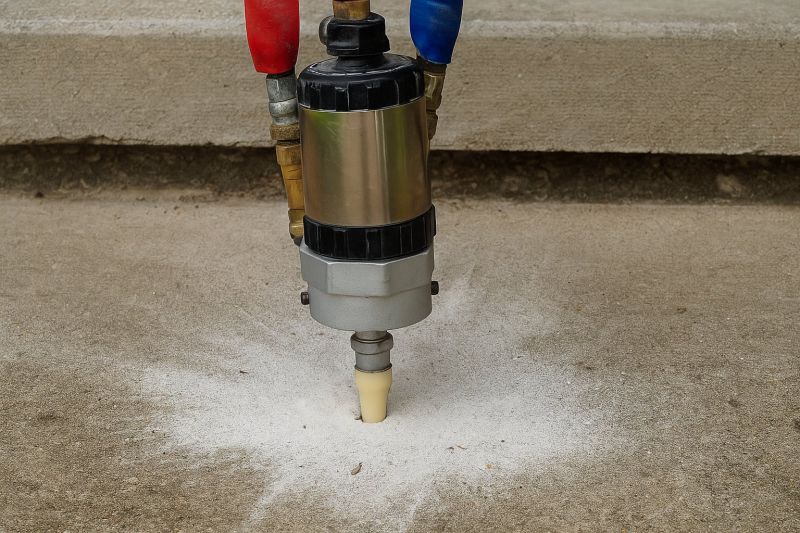
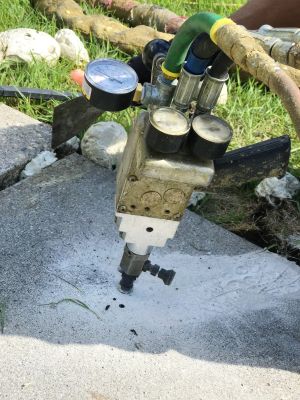
Property owners may notice uneven or sunken areas in their commercial concrete slabs, especially around entrances, loading docks, or walkways. If sections of the slab appear to be tilting or settling unevenly, it could indicate underlying issues that require attention. Cracks that widen over time or develop in a pattern are also common signs that a concrete slab might benefit from mudjacking, as this process can help restore stability and levelness without the need for full replacement.
In some cases, visible gaps or voids beneath the concrete surface can be detected, often accompanied by a hollow or drum-like sound when tapped. These issues may lead to further deterioration or safety concerns if left unaddressed. When property owners observe these signs, consulting with local contractors experienced in mudjacking can provide options to lift and stabilize the slab efficiently. These service providers can assess the situation and recommend the appropriate solution to help maintain a safe and functional commercial space.
What are common visual signs that a commercial concrete slab may need mudjacking? Visible cracks, sinking, or uneven surfaces often indicate that mudjacking could be necessary to restore stability and levelness.
How can I tell if my concrete slab has shifted or settled? If the slab appears tilted, separated from adjacent surfaces, or there are noticeable gaps, it may be a sign that mudjacking services are needed to correct the issue.
Are there specific signs of damage that suggest a slab needs mudjacking? Yes, signs such as cracking, heaving, or areas where the concrete feels loose or unstable can point to underlying settlement that mudjacking can address.
What symptoms indicate underlying problems with a commercial concrete slab? Symptoms include uneven surfaces, pooling water, or cracks that worsen over time, which can signal the need for mudjacking to prevent further deterioration.
When should a property owner consider professional assessment for mudjacking? If signs like sinking, cracking, or unevenness are present and persistent, consulting local contractors for evaluation can determine if mudjacking is appropriate.
If you are thinking about signs your commercial concrete slab needs mudjacking for a property, this guide is meant to help you understand this topic, the typical project types, and how different options might fit your plans.
When you are ready, you can use the quote form on this page to share a few details about your project. From there, local pros can review the basics and follow up with options that match what you have in mind.